

It took place on Saturday 2 May 2026. Here’s what’s coming up instead.
See what’s on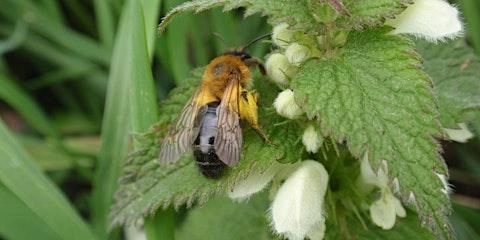
Introduction to Solitary Bees
- When
- 10:00 – 16:00
- Where
- None Get directions (opens in a new tab)
About this event
Join an Introduction to Solitary Bees at Tyland Barn to learn how to identify the many solitary bee species that share our gardens and wild spaces. With around 250 species in the UK, solitary bees are fascinating and important pollinators. This study day is ideal for wildlife enthusiasts, amateur naturalists and anyone keen to improve their species identification skills.
The morning session takes place in the classroom and covers the ecology of solitary bees, how they differ from honey bees and bumblebees, and where to find them. A focused presentation introduces the main groups of solitary bees and highlights some of the more common species you are likely to encounter. You will also be shown the identification resources available for this group.
After lunch, the course moves outdoors into the Tyland Barn wildlife garden. There will be plenty of time to practise catching solitary bees with a net and to examine them closely in the field. The day includes opportunities to study specimens in the classroom and to ask questions about ecology, behaviour and survey techniques.
By the end of the day you can expect to have a better understanding of solitary bee ecology, be able to recognise common species and feel confident catching and examining bees in the field. The course is led by Rosie Bleet, Ecological Evidence and Citizen Science Lead for Kent Wildlife Trust. For further information please see the Study Days page of the Kent Wildlife Trust website.
Loading offers nearby and more events