

It took place on Friday 6 March 2026. Here’s what’s coming up instead.
See what’s on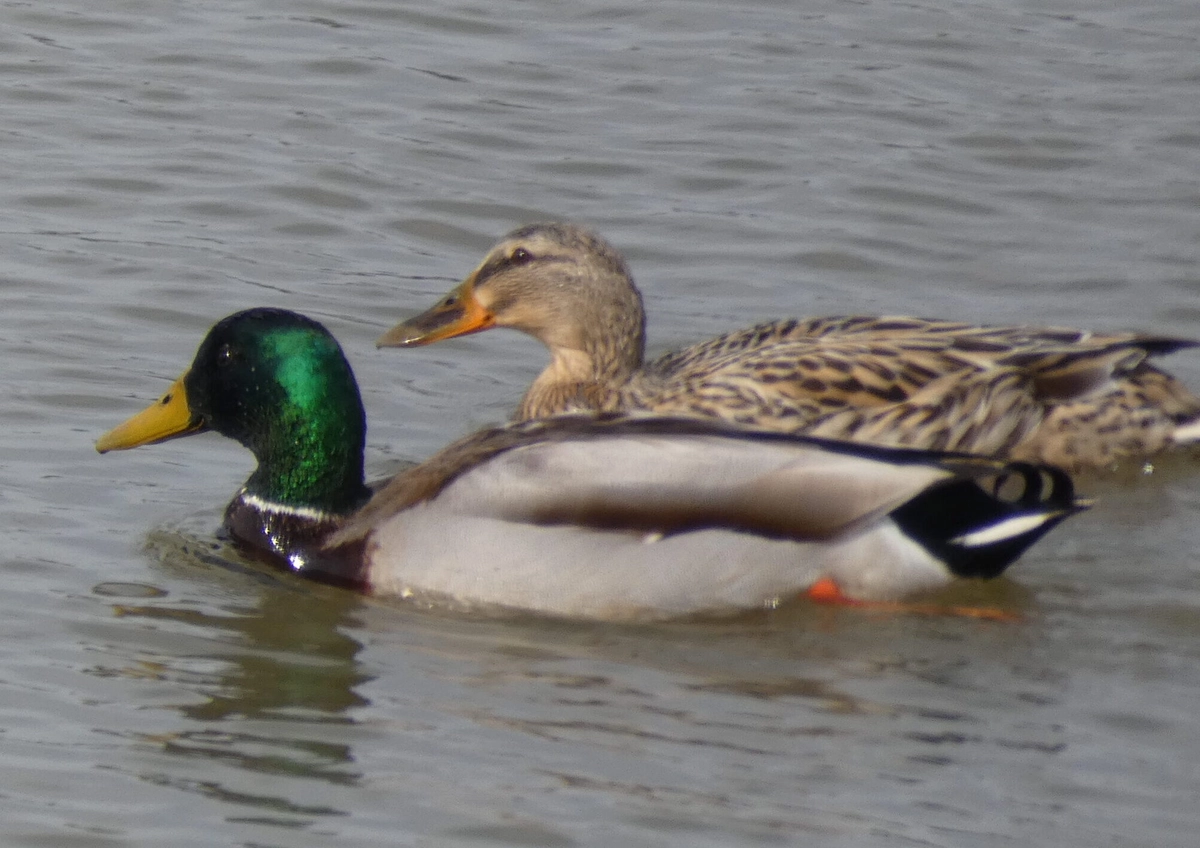
Women’s Wildlife Walk for International Women’s Day
- When
- 10:30 – 12:30
- Where
- 333 Lower Rainham Rd Gillingham, ME7 2XH Get directions (opens in a new tab)
About this event
Ranger Julie is back with more expert hints and tips to help you improve your duck ID skills on our coasts, even when birds are far away or the weather makes details hard to see. This follow up to part one, which introduced the GISSS technique, focuses on practical markers you can use when all you can make out are blocks of colour and silhouettes.
Learn to pick out reliable features such as the green head and orangey beak of a male mallard, the pale side panel and brown edge to folded wings, and the tiny, dabbling teal with its green eye patch and yellow flash at the tail. Find out why a shoveler can be obvious from its bill shape yet still be confused at long range, and how to tell a shelduck from a shoveler by noting whether the chestnut area forms a band across the shoulders or a side panel. The pintail is easy to recognise by its slim profile and pointed tail. Tips also cover wigeon and pochard body shapes and how brent geese, often mistaken for large ducks, show a monochrome profile with white under tail feathers.
There are video examples and links to further resources to show behaviour clues, such as feeding styles and movement, which can confirm an identification. Whether you are new to birding or refining your skills, these accessible techniques will help you make confident sightings on winter visits to local reserves and coastal scrapes.
Loading offers nearby and more events